
freestyle lite user manual
The FreeStyle Lite system offers a user-friendly approach to blood glucose monitoring, detailed in its comprehensive manual. It’s designed for simple setup and accurate results.
What is the FreeStyle Lite?
The FreeStyle Lite is a blood glucose monitoring system intended for use by individuals with diabetes to help manage their condition. As outlined in the user manual, this system provides accurate and reliable blood glucose readings at home. It’s a compact and easy-to-use meter designed for convenient testing.
The system, including the meter itself, is intended to be used with FreeStyle Lite test strips and a lancing device for obtaining small blood samples. It’s a vital tool for self-monitoring, enabling informed decisions about diet, exercise, and medication, as detailed in the provided instructions.
Key Features and Benefits
According to the FreeStyle Lite user manual, key features include its small sample size requirement and fast five-second test results. The meter’s simplicity makes it user-friendly, even for those new to self-monitoring. Benefits encompass convenient testing, aiding in effective diabetes management.
The system’s compact design allows for portability, and the clear display ensures easy readability of glucose levels. The manual highlights its ability to store test results, facilitating tracking of glucose trends over time. This empowers users to proactively manage their health.
Intended Use and Limitations
The FreeStyle Lite, as detailed in its user manual, is intended for in-vitro diagnostic use – meaning testing outside the body – to measure blood glucose levels. It’s designed for self-testing by individuals with diabetes. However, the manual clearly states limitations.
This system isn’t a substitute for professional medical advice or treatment. Results should always be interpreted in consultation with a healthcare provider. The meter isn’t intended for use on neonates or critically ill patients, and alternative site testing may yield different results.
Package Contents and System Components
The FreeStyle Lite package, per the manual, includes the meter, test strips, lancing device, lancets, and an owner’s booklet for guidance.
Meter Overview
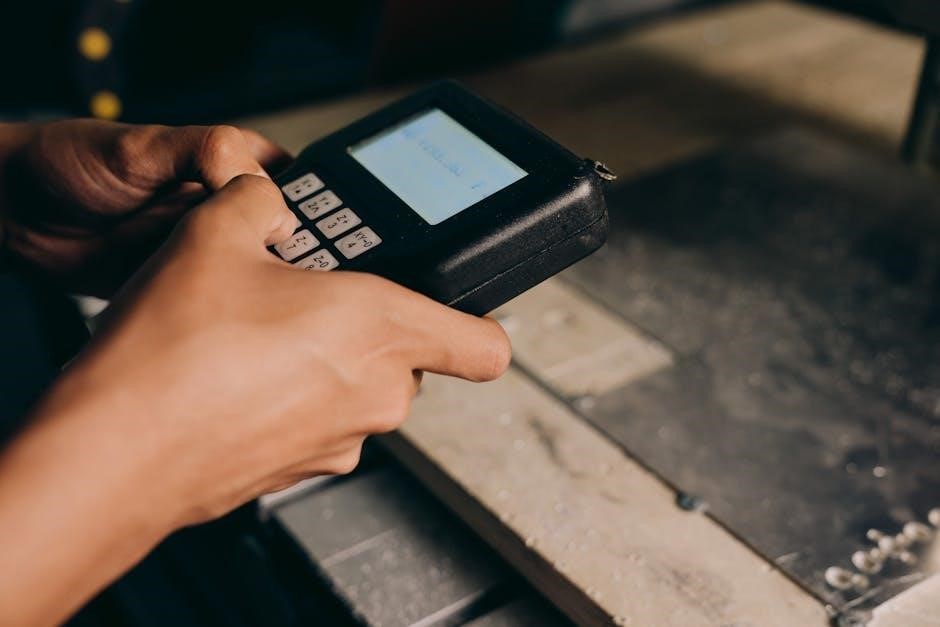
The FreeStyle Lite meter, as detailed in the user manual, is a compact and lightweight device designed for convenient blood glucose testing. It features a clear, easy-to-read display showing glucose levels and important indicators. The meter utilizes a single button operation for simplicity, allowing users to quickly initiate tests and navigate menus.
It requires a small blood sample and delivers results within seconds. The meter’s design prioritizes portability, making it ideal for on-the-go monitoring. The manual emphasizes proper handling and care to ensure accurate readings and longevity of the device. It’s a vital tool for individuals managing their diabetes effectively.
Test Strip Information
The FreeStyle Lite utilizes specific test strips, as outlined in the user manual, designed for accurate glucose measurement. These strips feature a small sample area that requires a tiny blood droplet for analysis. Proper storage of test strips is crucial; keep them in their original vial, tightly closed, and away from heat and moisture.
The manual details how to correctly insert the strip into the meter, ensuring the sample port is facing the correct direction. Expired or damaged strips can yield inaccurate results, so always check the expiration date before use. Using genuine FreeStyle Lite strips is essential for reliable performance.
Lancing Device and Lancets
The FreeStyle Lite system includes a lancing device and lancets, detailed within the user manual, for obtaining blood samples. The device allows adjustable depth settings to accommodate different skin types. Always use a fresh, sterile lancet for each test to prevent infection and ensure comfort.
The manual illustrates how to safely load a lancet into the device and adjust the depth setting. Proper disposal of used lancets in a sharps container is vital for safety. Regularly check the lancing device for proper function, as described in the provided instructions.

Setting Up Your FreeStyle Lite Meter
The FreeStyle Lite requires initial setup, as outlined in the manual, including battery insertion and date/time configuration for accurate record-keeping and tracking.
Inserting the Battery
To insert the battery into your FreeStyle Lite meter, locate the battery compartment, typically on the back of the device. Refer to your user manual for specific location details. Gently slide off the battery compartment cover. Insert a new CR2032 battery, ensuring correct polarity – positive (+) side up, as indicated inside the compartment.
Confirm the battery is securely in place. Replace the battery compartment cover until it clicks shut. If the display doesn’t illuminate, double-check the battery’s orientation and ensure it’s a fresh, functioning CR2032 battery. Proper battery installation is crucial for accurate meter operation.
Setting the Date and Time
Setting the date and time on your FreeStyle Lite meter is essential for accurate record-keeping. Consult your user manual for detailed, step-by-step instructions. Typically, you’ll access the date/time setting through the meter’s menu, using the buttons to navigate and adjust the month, day, year, hour, and minute.
Confirm the correct date and time are displayed before exiting the menu. Accurate time-stamping of your glucose readings allows for better tracking and analysis of your blood glucose patterns over time, aiding in effective diabetes management.
Setting the Time Format (12/24 Hour)
The FreeStyle Lite meter allows you to choose between a 12-hour or 24-hour time format, customizable through the meter’s settings menu. Refer to your user manual for specific navigation instructions. Typically, you’ll find the time format option within the date and time settings.
Select your preferred format – 12-hour (with AM/PM indication) or 24-hour (military time). Confirm your selection before exiting the menu. Choosing the format you’re most comfortable with ensures clear and easy readability of your blood glucose test times.
Performing a Blood Glucose Test
Follow the instructions in your FreeStyle Lite manual to prepare the lancing device, obtain a blood sample, and apply it to the test strip for accurate readings.
Preparing the Lancing Device
According to the FreeStyle Lite manual, begin by removing the protective strip from a new lancet. Insert the lancet firmly into the lancing device, twisting to secure it. Adjust the depth setting based on your skin type – lower settings for sensitive skin. Cock the lancing device, preparing it for use. Ensure you have a clean area ready for the finger prick. The manual emphasizes using a fresh lancet for each test to maintain hygiene and minimize discomfort. Proper preparation ensures an accurate and less painful blood sample collection process.
Obtaining a Blood Sample
The FreeStyle Lite manual instructs to wash hands thoroughly with warm water and dry completely. Select a fingertip, avoiding areas with calluses. Press the lancing device firmly against the chosen fingertip and press the release button. Gently squeeze the finger near the puncture site to encourage a drop of blood to form. Avoid excessive squeezing, as this can affect accuracy. The manual advises wiping away the first drop of blood with a clean cloth, using the subsequent drop for testing.
Applying Blood to the Test Strip
The FreeStyle Lite manual details inserting a test strip into the meter, ensuring the correct orientation. Gently touch the edge of the test strip to the blood drop; the strip will automatically draw in the required amount. Avoid smearing the blood onto the strip. The meter will begin counting down, displaying the test in progress. Do not apply more blood than needed, as this may cause inaccurate readings, as outlined in the manual.
Understanding Your Results
The FreeStyle Lite manual explains how to read glucose levels, interpret high/low readings, and select preferred units (mg/dL or mmol/L) for clarity.
Reading the Glucose Level
According to the FreeStyle Lite manual, after applying blood to the test strip, your glucose level will appear on the meter’s display within seconds. The reading is presented numerically, indicating your blood glucose concentration at that specific moment.
Ensure adequate lighting for clear visibility. The manual emphasizes understanding the target range recommended by your healthcare provider. Comparing your result to this range helps assess your current glucose control. Remember that factors like recent meals, exercise, and medication can influence readings, as detailed in the user guide.
High and Low Glucose Readings
The FreeStyle Lite manual details recognizing high and low glucose readings as crucial for diabetes management. A high reading, exceeding your target range, may indicate the need for medication or dietary adjustments. Conversely, a low reading requires immediate attention to prevent hypoglycemia.
The user guide stresses promptly addressing both situations. Symptoms of high glucose include increased thirst, while low glucose can cause shakiness. Always consult your healthcare provider for personalized guidance on managing extreme readings, as outlined in the instruction manual.
Units of Measurement (mg/dL vs. mmol/L)
The FreeStyle Lite manual explains the meter displays glucose levels in either milligrams per deciliter (mg/dL) or millimoles per liter (mmol/L). This setting is configurable within the meter’s options, as detailed in the instruction manual. Understanding your healthcare provider’s preferred unit is vital for accurate communication.
The user guide provides instructions on how to switch between these units. Ensure consistency in reporting your results. Conversion factors are readily available online if needed, but the meter’s setting ensures correct display, as described in the FreeStyle Lite documentation.

Meter Care and Maintenance
The FreeStyle Lite manual details proper cleaning and storage procedures. Regular care ensures accurate readings and extends the meter’s lifespan, as outlined in the user booklet.
Cleaning the Meter
The FreeStyle Lite user manual emphasizes regular cleaning for accurate results. After each use, wipe the meter with a slightly damp cloth. Avoid using harsh chemicals or abrasive cleaners, as these can damage the device.
Ensure the meter is completely dry before inserting a new test strip. Pay particular attention to the test strip port, removing any residual blood or debris. Proper cleaning, as detailed in the manual, maintains the meter’s functionality and prevents inaccurate readings. Always follow the manufacturer’s instructions for optimal performance and longevity of your FreeStyle Lite system.
Storing the Meter and Test Strips
The FreeStyle Lite user manual provides crucial storage guidelines. Store the meter in a clean, dry place, away from extreme temperatures and humidity. Avoid direct sunlight. Test strips should be kept in their original vial, tightly closed, and also protected from heat, moisture, and light.
Do not store test strips in a bathroom or near water sources. Improper storage, as outlined in the manual, can compromise strip integrity and lead to inaccurate glucose readings. Always check the expiration date before use, ensuring optimal performance of your FreeStyle Lite system.
Troubleshooting Common Issues
The FreeStyle Lite user manual addresses frequent problems. If the meter displays an error, consult the error code section for specific solutions. For inaccurate readings, verify proper testing technique and strip storage. If the lancing device malfunctions, ensure a fresh lancet is correctly inserted.
If issues persist, refer to the detailed troubleshooting guide within the manual. Contact Abbott customer support if problems remain unresolved. Remember, consistent adherence to the manual’s instructions is key to reliable operation of your FreeStyle Lite system.
Data Management and Memory
The FreeStyle Lite stores previous test results, allowing review of testing history. The manual details how to calculate averages and clear the memory efficiently.
Reviewing Test Results in Memory
The FreeStyle Lite meter conveniently stores your recent blood glucose readings, allowing you to track trends over time. To access these results, refer to your user manual for specific button press sequences. Typically, you’ll use the up and down buttons to scroll through previously recorded values.
The meter displays the date and time each reading was taken, aiding in correlation with meals, exercise, or medication. The manual will explain how many readings the meter can store and how the oldest readings are automatically overwritten as new ones are added. Regularly reviewing your results can help you and your healthcare provider manage your diabetes effectively.
Average Glucose Calculation
The FreeStyle Lite meter simplifies diabetes management by automatically calculating your average blood glucose levels. Consult your user manual to understand how to access this feature; it usually involves a specific button combination. The meter typically displays averages for different time periods – for example, 7, 14, or 30 days.
This averaged data provides a broader picture of your glucose control than single readings. Your manual will detail how the average is calculated and its limitations. Share these averages with your healthcare provider to refine your treatment plan and achieve optimal health outcomes.
Clearing Test Memory
The FreeStyle Lite meter stores previous test results for review, but occasionally you may need to clear this memory. Your user manual details the specific steps, usually involving a sequence of button presses within the meter’s menu. Be aware that clearing the memory permanently deletes all stored readings.
This action is useful when sharing the meter or starting a fresh record. Always consult your healthcare provider before clearing the memory, as historical data can be valuable for assessing your glucose control trends. Refer to the manual for detailed instructions.
Error Messages and Troubleshooting
The FreeStyle Lite manual details various error codes, helping you diagnose issues like test strip errors or meter malfunctions for effective troubleshooting.

Common Error Codes and Their Meanings
The FreeStyle Lite system displays error codes to indicate potential problems. Understanding these is crucial for accurate testing, as detailed in the user manual. “E-1” often signals a test strip issue – ensure proper insertion or check expiration. “E-2” may indicate insufficient blood sample; retest with a larger drop.
“E-3” suggests a meter malfunction, requiring a system reset or contacting customer support. Other codes relate to battery levels or internal errors. Always consult the manual for a complete list and specific troubleshooting steps to resolve each error effectively and maintain reliable glucose monitoring.
Troubleshooting Test Strip Errors
The FreeStyle Lite user manual details common test strip errors. If you receive an error, first verify the strip isn’t expired. Ensure proper insertion into the meter; a firm, complete connection is vital. Check for damage to the strip’s contact points. If the error persists, try a new strip from a different vial.
Humidity and temperature can affect strip performance, so proper storage is key. Avoid touching the test area. If errors continue, consult the manual’s troubleshooting section or contact Abbott support for assistance, ensuring accurate glucose readings.
Troubleshooting Meter Malfunctions
The FreeStyle Lite user manual guides you through resolving meter issues. If the meter won’t turn on, replace the battery, ensuring correct polarity. For unresponsive screens, try a reset – consult the manual for specific steps. If the meter displays unusual characters or freezes, remove the battery for a minute, then reinsert.
If problems persist, avoid self-repair. Contact Abbott’s customer support, referencing the error details from the display. Do not attempt to disassemble the meter, as this voids the warranty and may cause further damage.