dog vaccination schedule chart pdf
Dog Vaccination Schedule Chart PDF: A Comprehensive Guide
Navigating canine health requires diligent tracking; a dog vaccination schedule chart PDF offers a streamlined method for managing essential preventative care, ensuring a long and vibrant life.
Understanding the Importance of Dog Vaccinations
Dog vaccinations are paramount for protecting your canine companion from potentially fatal, yet preventable, infectious diseases. These illnesses, like rabies, distemper, and parvovirus, can cause severe suffering and even death.
A consistent vaccination schedule builds a robust immune response, safeguarding your dog’s health and well-being. Vaccinations aren’t just about individual protection; they contribute to herd immunity, protecting vulnerable dogs within the community. Utilizing a dog vaccination schedule chart PDF helps owners stay organized and ensures timely administration of these crucial preventative measures, promoting a healthier life for your beloved pet.
Core vs. Non-Core Vaccines for Dogs

Understanding the distinction between core and non-core vaccines is vital when utilizing a dog vaccination schedule chart PDF. Core vaccines are considered essential for all dogs, regardless of lifestyle, due to widespread prevalence and severe consequences of the diseases they prevent – rabies, distemper, parvovirus, and adenovirus are typical examples.
Non-core vaccines, however, are recommended based on individual risk factors, such as geographic location or lifestyle. Bordetella (kennel cough) and Lyme disease vaccines fall into this category. A well-structured chart will clearly delineate these categories, allowing for a tailored vaccination plan.
Puppy Vaccination Schedule (6-16 Weeks)
A dog vaccination schedule chart PDF is particularly crucial during the puppy stage (6-16 weeks) due to their developing immune systems. Puppies receive antibodies from their mother, but this immunity wanes over time. Initial vaccinations typically begin around 6-8 weeks, followed by booster shots every 3-4 weeks until 16 weeks of age.
This staggered approach ensures optimal protection as maternal antibodies interfere with vaccine effectiveness. Common vaccines administered during this period include DHPP (distemper, hepatitis, parvovirus, parainfluenza), and sometimes Bordetella. Consistent adherence to the schedule, documented on your chart, is key.
First Vaccination (6-8 Weeks)
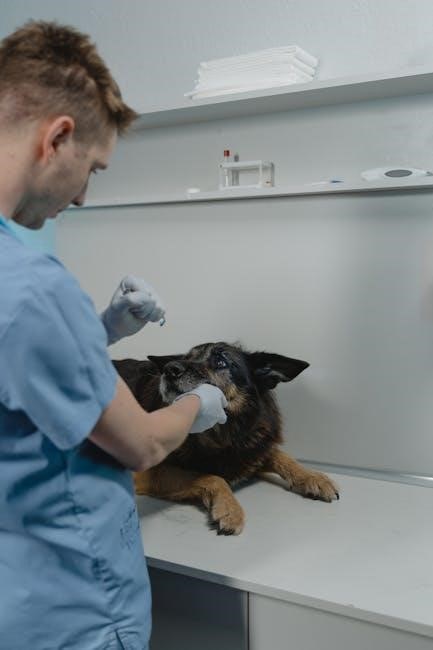
Referring to your dog vaccination schedule chart PDF, the first vaccination series usually commences between 6 and 8 weeks of age. This initial visit typically focuses on the DHPP vaccine – protecting against distemper, hepatitis, parvovirus, and parainfluenza. While maternal antibodies still offer some protection, this first dose ‘primes’ the puppy’s immune system.
It’s vital to understand this isn’t full protection; boosters are essential. Your veterinarian will discuss lifestyle factors and potential exposure risks to tailor the schedule. Accurate record-keeping on your chart is paramount for tracking progress and ensuring timely follow-up vaccinations.
Second Vaccination (9-11 Weeks)
Consulting your dog vaccination schedule chart PDF, the second round of vaccinations generally occurs between 9 and 11 weeks of age. This booster continues building immunity, reinforcing the initial DHPP vaccine administered earlier. Maternal antibodies are waning, making this dose increasingly important for establishing robust protection against potentially life-threatening diseases.
Veterinarians often introduce the Bordetella vaccine (kennel cough) at this stage, particularly if the puppy will be socializing or boarding. Maintaining a detailed record on your chart, noting vaccine types and dates, is crucial for a comprehensive health history.
Third Vaccination (12-16 Weeks)
Referring to your dog vaccination schedule chart PDF, the final puppy vaccination typically falls between 12 and 16 weeks of age. This completes the core DHPP series, providing a strong foundation of immunity against distemper, hepatitis, parvovirus, and parainfluenza.
By this point, maternal antibodies have significantly diminished, allowing the puppy’s immune system to fully respond to the vaccines. Your veterinarian may also discuss rabies vaccination at this visit, depending on local regulations and the puppy’s lifestyle; Consistent record-keeping on your chart is vital for future booster reminders.
Adult Dog Vaccination Schedule
Maintaining your dog’s health necessitates a consistent adult dog vaccination schedule, detailed within your dog vaccination schedule chart PDF. Initially, dogs require a series of vaccinations as puppies, but ongoing boosters are crucial for sustained immunity.
The frequency of these boosters varies depending on the vaccine type and your dog’s individual risk factors. Core vaccines, like DHPP and rabies, typically require boosters every one to three years. Non-core vaccines, such as Bordetella, may be needed annually or based on exposure risk. Regular veterinary check-ups are essential.
Initial Vaccination Series
The initial vaccination series, meticulously documented in your dog vaccination schedule chart PDF, is paramount for puppies. This series typically begins around 6-8 weeks of age and continues every 3-4 weeks until approximately 16 weeks old.

These early vaccinations prime the puppy’s immune system, providing protection against potentially life-threatening diseases. Core vaccines, including DHPP (Distemper, Hepatitis, Parvovirus, Parainfluenza), are administered during this period. Rabies vaccination is usually given around 16 weeks, depending on local regulations. Consistent adherence to this schedule is vital.
Booster Vaccinations – Frequency & Timing
Maintaining immunity requires strategic booster vaccinations, clearly outlined in your dog vaccination schedule chart PDF. After the initial puppy series, booster shots are crucial for sustained protection.
Core vaccines like DHPP typically require boosters one year after the initial series, then potentially every three years, as determined by your veterinarian and titer testing. Rabies boosters follow a schedule dictated by local laws, often every 1-3 years. Non-core vaccines, like Bordetella, may need annual boosters based on lifestyle and exposure risks.
Common Dog Vaccines & What They Protect Against
A comprehensive dog vaccination schedule chart PDF details vital immunizations protecting against serious diseases. Key vaccines include Rabies, a legally mandated shot preventing a fatal neurological disease. DHPP safeguards against Distemper, Adenovirus (Hepatitis), Parvovirus, and Parainfluenza – all highly contagious and potentially deadly.
Bordetella, often called “kennel cough,” protects against a highly contagious respiratory infection, especially important for dogs in social settings. Understanding what each vaccine defends against is crucial for informed preventative care, as detailed within your chart.
Rabies Vaccination
A dog vaccination schedule chart PDF prominently features Rabies, a legally required vaccine in most regions. This critical immunization protects against the Rabies virus, a fatal neurological disease transmissible to mammals, including humans. Initial vaccination typically occurs around 16 weeks of age, followed by booster shots as determined by local laws and the vaccine manufacturer’s guidelines.
Maintaining proof of Rabies vaccination is essential for travel, boarding, and in case of a bite incident. Your PDF chart will help track these vital dates, ensuring your dog – and community – remain safe.
DHPP (Distemper, Hepatitis, Parvovirus, Parainfluenza)
A comprehensive dog vaccination schedule chart PDF will detail the DHPP vaccine, a core combination protecting against four serious canine diseases. Distemper affects the respiratory, gastrointestinal, and nervous systems. Infectious Canine Hepatitis impacts the liver. Parvovirus is highly contagious and often fatal, causing severe vomiting and diarrhea. Parainfluenza contributes to kennel cough.
Puppies require a series of DHPP vaccinations, typically starting around 6-8 weeks, with boosters every 3-4 weeks until 16 weeks of age. Adult dogs need boosters annually or as recommended by your veterinarian, as tracked on your PDF.

Bordetella (Kennel Cough)

Your dog vaccination schedule chart PDF should clearly indicate the Bordetella vaccine, crucial for preventing kennel cough – a highly contagious respiratory disease. While often mild, kennel cough can be severe, especially in puppies or dogs with compromised immune systems. It’s caused by several factors, including the bacterium Bordetella bronchiseptica.
Bordetella vaccination is often required for dogs attending boarding facilities, grooming salons, or dog parks. It’s available in injectable, nasal, and oral forms. Boosters are recommended every 6-12 months, depending on your dog’s lifestyle and exposure risk, as documented on your chart.

Dr. Jean Dodds’ Vaccination Protocol
Many owners seek alternative vaccination schedules, and Dr. Jean Dodds’ protocol, detailed in a dog vaccination schedule chart PDF, is a frequently discussed option. Dr. Dodds, a renowned veterinary immunologist, advocates for less frequent vaccinations, believing that over-vaccination can contribute to autoimmune diseases.
Her approach focuses on core vaccines only, administered strategically. It emphasizes titer testing to assess immunity levels before administering boosters, rather than relying on fixed schedules. This personalized approach aims to provide adequate protection while minimizing potential adverse effects, as outlined in her recommended guidelines.
Initial Vaccine Schedule (Dodds Protocol)
The Dr. Jean Dodds’ initial vaccine schedule, often found within a dog vaccination schedule chart PDF, diverges from conventional timelines. Puppies typically receive a modified live virus (MLV) vaccine – DHPP – at 9-10 weeks, followed by a booster 3-4 weeks later.
Rabies vaccination is delayed until after 16 weeks of age. Bordetella and Lyme vaccines are considered non-core and administered based on lifestyle and risk factors. This protocol prioritizes a slower, more deliberate approach, allowing the puppy’s immune system to mature before facing a barrage of antigens.
Annual Booster Recommendations (Dodds Protocol)
Dr. Dodds’ protocol, detailed in many dog vaccination schedule chart PDF resources, significantly reduces the frequency of booster vaccinations. Core vaccines like DHPP are recommended every three years, or even longer, following the initial series.
Rabies boosters are given according to local legal requirements, but titer testing is encouraged to assess immunity. Non-core vaccines are administered only when demonstrably needed, based on exposure risk. This approach minimizes over-vaccination and potential adverse reactions, promoting long-term health and immune system balance.
Creating a Printable Dog Vaccination Chart PDF
Maintaining a clear record is vital; a dog vaccination schedule chart PDF simplifies this process. Numerous free, printable resources are available online, offering pre-designed templates to track vaccinations.
Alternatively, you can customize your own chart using spreadsheet software or word processing programs. Include columns for vaccine type, date administered, veterinarian information, and booster due dates. Downloading and printing a readily available PDF, or crafting a personalized chart, ensures organized and accessible vaccination history for your canine companion.
Free Printable Vaccination Chart Resources
Numerous online platforms offer readily available dog vaccination schedule chart PDFs for free download. Websites dedicated to pet care frequently provide these resources, allowing owners to easily monitor their dog’s immunization status.
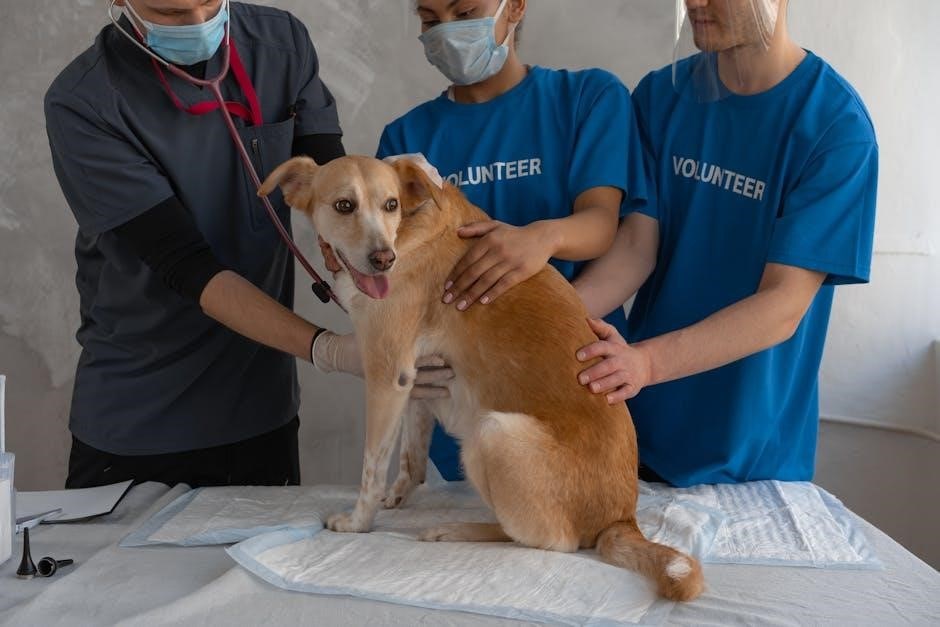
A quick internet search reveals options designed for comprehensive tracking, often including spaces for multiple vaccines and booster reminders. These printable charts are a convenient and cost-effective way to stay organized, ensuring your furry friend receives timely preventative care without the need for complex software or manual record-keeping.
Customizing Your Dog’s Vaccination Chart
While pre-made dog vaccination schedule chart PDFs are helpful, tailoring one to your dog’s specific needs is ideal. Consider adding sections for specific vaccines recommended by your veterinarian, especially if your dog has a unique lifestyle or health condition.
You can easily modify a downloaded PDF using editing software, or create a chart from scratch using spreadsheet programs. Include columns for vaccine type, date administered, veterinarian’s information, and upcoming booster dates, ensuring a personalized and effective tracking system for your canine companion’s health.
Factors Influencing Vaccination Schedules
A standardized dog vaccination schedule chart PDF serves as a guideline, but several factors necessitate individual adjustments. A puppy’s age and overall health are paramount, as their immune systems are still developing. Lifestyle plays a crucial role; dogs frequently exposed to other canines require broader protection.
Geographic location and potential exposure risks – like Lyme disease in certain areas – also influence vaccine choices. Your veterinarian will assess these factors to create a schedule optimized for your dog’s unique circumstances, ensuring comprehensive immunity and well-being.
Dog’s Age & Health Status
A dog vaccination schedule chart PDF must be tailored to the animal’s age. Puppies have a developing immune system and require a series of vaccinations, typically starting at 6-8 weeks, to build adequate protection. Adult dogs need booster shots to maintain immunity.
Pre-existing health conditions significantly impact vaccination protocols. Dogs with compromised immune systems may require modified schedules or alternative approaches, like titer testing. Your veterinarian will assess your dog’s overall health to determine the safest and most effective vaccination plan.
Lifestyle & Exposure Risk
Your dog’s lifestyle dramatically influences vaccination needs, as reflected in a well-planned dog vaccination schedule chart PDF. Dogs frequently interacting with others – through boarding, dog parks, or grooming – face a higher risk of contracting infectious diseases like kennel cough (Bordetella).
Geographic location also matters; certain regions have higher prevalence of specific diseases. Outdoor dogs are more exposed to wildlife and vector-borne illnesses. Discussing your dog’s daily routines and potential exposures with your vet is crucial for customizing a protective vaccination strategy.
Vaccination Reactions & What to Watch For
A dog vaccination schedule chart PDF should also prompt awareness of potential reactions. Mild reactions are common, including temporary lethargy, reduced appetite, or soreness at the injection site – typically resolving within 24-48 hours.
However, monitoring for severe reactions is vital. These include facial swelling, difficulty breathing, persistent vomiting or diarrhea, hives, or collapse. Immediate veterinary attention is crucial if any of these signs appear. Documenting any reaction alongside your dog’s vaccination record aids future assessments.
Mild Vaccine Reactions
Utilizing a dog vaccination schedule chart PDF helps anticipate and recognize typical post-vaccination responses. Mild reactions are frequently observed and generally indicate the immune system is responding appropriately. These can manifest as slight lethargy, a temporary decrease in appetite, or mild discomfort at the injection site.
A small bump or tenderness where the vaccine was administered is also common. These symptoms usually subside within one to two days and rarely require intervention. Careful observation, documented alongside your schedule, is key.
Severe Vaccine Reactions – When to Seek Veterinary Care
A meticulously maintained dog vaccination schedule chart PDF aids in quickly identifying deviations from normal post-vaccination behavior. Severe reactions, though rare, demand immediate veterinary attention. These include facial swelling, difficulty breathing, persistent vomiting or diarrhea, hives, or collapse.
Anaphylaxis, a life-threatening allergic reaction, presents as sudden onset of multiple symptoms. Prompt intervention is crucial. Document any unusual signs following vaccination alongside your chart and contact your veterinarian immediately if you observe these concerning indicators.
AVMA Guidelines on Dog Vaccinations
The American Veterinary Medical Association (AVMA) provides crucial guidance for creating a robust dog vaccination schedule chart PDF. Their recommendations emphasize core vaccines – Rabies, DHPP – as essential for all dogs, offering broad protection.
The AVMA stresses individualized protocols, considering factors like geographic location and lifestyle. They highlight the importance of efficacy and duration of protection, informing booster frequency. Utilizing AVMA guidelines ensures your PDF chart reflects current best practices, promoting optimal canine health and well-being through preventative care.
Recommended Vaccination Components
A comprehensive dog vaccination schedule chart PDF must detail key components. Core vaccines, universally recommended, include Rabies, Distemper, Adenovirus (Hepatitis), Parvovirus, and Parainfluenza (DHPP). These form the foundation of protection.
Non-core vaccines, like Bordetella (Kennel Cough), are suggested based on lifestyle – boarding, grooming, or dog park visits. Your chart should clearly delineate these, noting initial series and booster schedules. Accurate component listing ensures a complete and effective vaccination plan, safeguarding your canine companion’s health.
Efficacy & Duration of Protection
A reliable dog vaccination schedule chart PDF should address vaccine efficacy and how long protection lasts. Core vaccines, while highly effective, don’t provide lifelong immunity. Booster shots are crucial to maintain adequate antibody levels.
The duration of protection varies; some vaccines offer multi-year coverage, while others require annual boosters. Understanding these timelines, as outlined in AVMA guidelines, is vital for informed decision-making. Your chart should clearly indicate booster frequencies, ensuring continuous defense against preventable diseases.
Legal Requirements for Dog Vaccinations (Rabies)
A comprehensive dog vaccination schedule chart PDF must highlight the legal mandates surrounding rabies vaccination. Rabies vaccination isn’t merely a health recommendation; it’s legally required in most jurisdictions. These laws are in place to protect both pets and people from this fatal disease.
Failure to comply with rabies vaccination laws can result in fines, quarantine periods, or even legal repercussions; Your chart should clearly state the local regulations and required intervals for rabies boosters, ensuring full legal compliance and responsible pet ownership.
Finding Reliable Dog Vaccination Schedule PDFs
Locating trustworthy dog vaccination schedule chart PDFs is crucial for accurate pet healthcare. Numerous sources offer downloadable charts, but verifying their credibility is paramount. Prioritize PDFs from reputable veterinary organizations like the AVMA (American Veterinary Medical Association) or veterinary teaching hospitals.
Beware of generic charts lacking veterinary oversight. Look for PDFs that are regularly updated to reflect current vaccination guidelines. Always cross-reference information with your veterinarian to tailor the schedule to your dog’s specific needs and local disease prevalence.
Understanding Titer Testing as an Alternative
Beyond strict adherence to a dog vaccination schedule chart PDF, titer testing presents a valuable alternative approach; This blood test measures your dog’s antibody levels, indicating immunity against specific diseases. It helps determine if a booster vaccination is genuinely needed, potentially reducing over-vaccination risks.
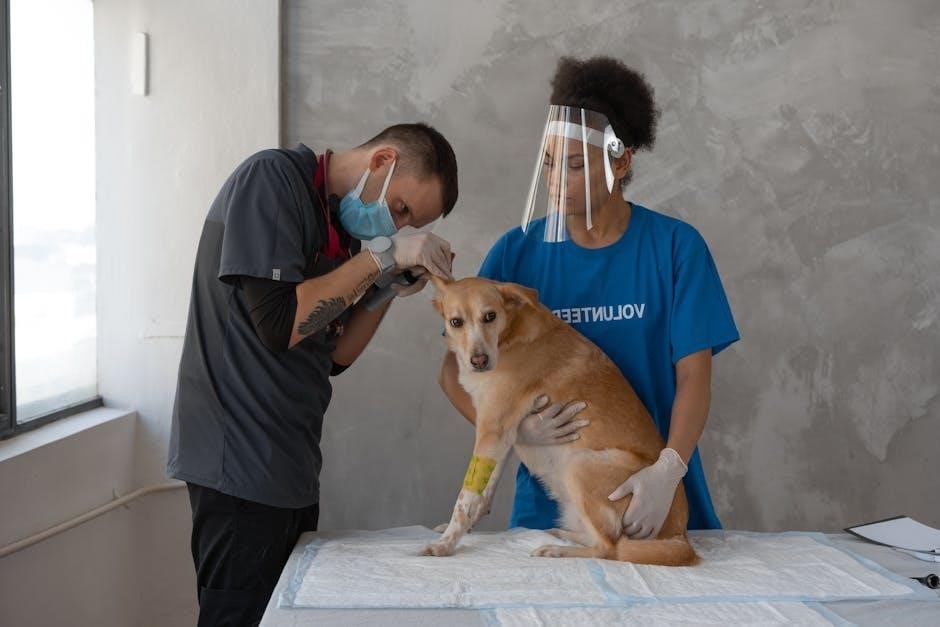
Titer testing isn’t a replacement for initial puppy vaccinations, but it can inform booster decisions. Discuss with your veterinarian if titer testing is appropriate for your dog, considering factors like lifestyle and risk exposure. It offers a personalized approach to immunity assessment.
Vaccination Schedules for Different Dog Breeds
While a standard dog vaccination schedule chart PDF provides a baseline, breed-specific predispositions necessitate tailored approaches. Certain breeds, like those prone to autoimmune diseases, may benefit from modified protocols, as suggested by Dr. Jean Dodds’ work.
Brachycephalic breeds (Pugs, Bulldogs) might experience increased vaccine reaction risks. Giant breeds may have different immune responses. Always consult your veterinarian to create a vaccination plan considering your dog’s genetic background and potential vulnerabilities, ensuring optimal protection and minimizing adverse effects.
The Role of Your Veterinarian in Vaccination Planning
Utilizing a dog vaccination schedule chart PDF is a starting point, but your veterinarian is crucial for personalized guidance. They assess your dog’s individual risk factors – age, lifestyle, health status, and geographic location – to tailor a vaccination protocol.
Discussing options like Dr. Dodds’ protocol or titer testing is vital. Your vet can explain the benefits and risks of each vaccine, ensuring informed decisions. Regular check-ups allow for adjustments based on your dog’s ongoing health, maximizing protection and minimizing potential reactions.
Record Keeping & Maintaining Vaccination History
A dog vaccination schedule chart PDF is most effective when paired with meticulous record-keeping. Document dates, vaccine types, serial numbers, and the veterinarian administering each dose. This detailed history is essential for booster reminders and demonstrating proof of vaccination, particularly for rabies, which often has legal requirements.
Digital copies alongside the printed chart offer redundancy. Share records with boarding facilities, groomers, or anyone caring for your dog. Accurate records also aid in identifying potential vaccine reactions and informing future veterinary care decisions.
Resources for Further Information on Dog Vaccinations
Expanding your knowledge about canine vaccinations is crucial for informed decisions. The American Veterinary Medical Association (AVMA) provides comprehensive guidelines and resources on dog vaccination protocols. Small Door Veterinary offers accessible guides to puppy and adult dog vaccine schedules.
Explore information on Dr. Jean Dodds’ protocols through veterinary resources and publications. Always consult your veterinarian for personalized advice tailored to your dog’s specific needs and lifestyle. Reliable dog vaccination schedule chart PDFs are a starting point, but professional guidance is paramount.