
roxy wetsuit size guide
Navigating Roxy wetsuit sizing ensures optimal performance and comfort in the water. Understanding their fit philosophy, alongside accurate measurements, is crucial for selecting the perfect suit.
Understanding Roxy’s Fit Philosophy
Roxy designs wetsuits prioritizing a comfortable, performance-driven fit for women. They acknowledge diverse body shapes and aim for flexibility without compromising warmth or hydrodynamics. Their philosophy centers on creating suits that move with the surfer, not against her.
Unlike some brands favoring a super-restrictive fit, Roxy often incorporates stretchier neoprene and tailored patterns. This allows for a wider range of motion, essential for surfing. However, a snug fit remains vital to minimize water flushing and maximize thermal protection. Roxy’s approach blends performance with a focus on a flattering and confident feel.
Why Accurate Sizing Matters for Wetsuits
Precise wetsuit sizing is paramount for both performance and safety. An ill-fitting suit compromises thermal regulation, leading to discomfort and potential hypothermia. Too loose, and water flushes through, reducing warmth; too tight, and it restricts movement, causing fatigue and chafing.
A correctly sized wetsuit maximizes flexibility, allowing for optimal paddling and maneuverability. It also ensures a secure fit, preventing ride-down issues and minimizing drag. Investing time in accurate measurements and understanding the size chart is crucial for enjoying your time in the water.
Roxy Wetsuit Size Chart Overview
Roxy’s size range typically spans from XS to XXL, guided by height and weight, alongside crucial chest, waist, and hip measurements for a precise fit.
General Size Ranges (XS-XXL)
Roxy wetsuits generally cater to a broad range of body types, offering sizes from Extra Small (XS) through to Extra Extra Large (XXL). However, it’s vital to remember that these are starting points, and individual fits can vary significantly. The XS size typically suits those with smaller frames, while XXL accommodates larger builds.
It’s crucial not to solely rely on standard clothing sizes, as wetsuit sizing differs. Roxy’s charts correlate sizes with both height and weight, providing a more accurate initial selection. Always consult the official Roxy size guide and compare your measurements to their specific ranges before making a purchase to ensure the best possible fit and performance in the water.
Height and Weight Guidelines
Roxy’s size charts incorporate height and weight as primary indicators for determining the correct wetsuit size. These guidelines offer a more precise starting point than relying solely on standard clothing sizes. Typically, the charts will list height ranges (e.g., 5’4” – 5’7”) and corresponding weight ranges (e.g., 120-140 lbs) for each size, from XS to XXL.
However, body composition and build play a significant role; someone with more muscle mass might need to size up. Always cross-reference these guidelines with chest, waist, and hip measurements for a truly accurate fit assessment, ensuring optimal comfort and performance while surfing.
Chest, Waist, and Hip Measurements
Precise chest, waist, and hip measurements are vital for a correctly fitted Roxy wetsuit. Measure your chest at the fullest part, keeping the tape measure level. For the waist, measure at your natural waistline, typically the narrowest part of your torso. Hip measurement should be taken at the fullest part of your hips and buttocks.
Compare these measurements against Roxy’s specific size chart, noting that wetsuit sizing often differs from standard clothing; These body measurements, combined with height and weight, provide the most accurate size determination for optimal comfort and performance.

Taking Accurate Body Measurements
Self-measurement is key to finding your ideal Roxy wetsuit size. Use a flexible tape measure and ideally, have a friend assist for accuracy and comfort.
How to Measure Your Chest
To accurately measure your chest for a Roxy wetsuit, stand naturally with your arms relaxed at your sides. Wrap a flexible tape measure around the fullest part of your chest, ensuring it’s level all the way around your body. Don’t pull the tape too tightly; it should be snug but comfortable.
Breathe normally during the measurement, as holding your breath can alter the results. Record the measurement in inches or centimeters, and remember this is a crucial factor in determining your wetsuit size. Double-check the measurement for precision, as even a small difference can impact fit.
How to Measure Your Waist
Accurately measuring your waist is vital for a comfortable Roxy wetsuit fit. Locate your natural waistline – typically the narrowest part of your torso, usually an inch or two above your belly button. Stand relaxed, avoiding any slouching or pulling in of your stomach.
Wrap a flexible tape measure around your waist, ensuring it’s level and snug, but not constricting. Breathe normally during measurement. Record the measurement in inches or centimeters. This, combined with chest and hip measurements, will guide you to the correct size.
How to Measure Your Hips
Measuring your hips accurately is key for a well-fitting Roxy wetsuit, especially for fullsuits and springsuits. Stand with your feet together, ensuring your weight is evenly distributed. Locate the fullest part of your hips and buttocks – this is where you’ll measure.
Wrap a flexible tape measure around this area, keeping it level across your back and hips. Ensure the tape is snug but not tight, allowing for comfortable breathing. Record the measurement in inches or centimeters; this data, alongside waist and chest measurements, will determine your ideal size.
Measuring Your Torso Length
Determining your torso length is particularly important for fullsuits, ensuring a comfortable and unrestricted fit. Begin by locating the top of your shoulder, where a shirt seam would naturally fall. Then, measure down your back, along your spine, to your waistline – typically around your navel.
Keep the tape measure relatively straight, but follow the natural curve of your back. This measurement, combined with chest and height, helps pinpoint the correct wetsuit length, preventing discomfort and maximizing performance in the water.

Roxy Wetsuit Styles and Their Fit
Different Roxy wetsuit styles – fullsuits, springsuits, and shorties – require varied sizing considerations, impacting length and flexibility for optimal water performance.
Fullsuits: Considerations for Length
When selecting a Roxy fullsuit, length is paramount for both warmth and freedom of movement. Torso length measurements are critical, as variations significantly impact fit. A fullsuit that’s too short restricts shoulder movement, while excessive length can cause bunching and discomfort.
Consider your height and build; taller individuals may need a longer suit. Roxy offers varying lengths within sizes, so checking specific product details is essential. Proper length ensures a secure seal at the neck and wrists, minimizing water flushing and maximizing thermal protection during extended water sessions. Prioritize a snug, yet comfortable, fit.
Springsuits: Flexibility in Sizing
Roxy springsuits offer greater sizing flexibility compared to fullsuits due to their shorter leg and arm coverage. These suits prioritize core warmth while allowing for increased range of motion, making them ideal for warmer waters or high-activity sessions.
Focus on a snug fit in the chest and waist, as these areas are crucial for maintaining warmth and preventing water entry. Slight looseness in the legs is generally acceptable. Consider your activity level; surfers may prefer a tighter fit for performance, while recreational users can opt for more comfort.
Shorty Wetsuits: Focus on Chest and Waist
Roxy shorty wetsuits prioritize core warmth, making a precise fit around the chest and waist paramount. These suits, with their short sleeves and legs, are best suited for warmer waters and activities where maximum mobility is key.
Pay close attention to the chest measurement, ensuring a snug but not restrictive fit. The waist should also be secure to prevent water flushing. Leg openings can be slightly looser, but avoid excessive gaps. Prioritize a comfortable, secure fit in the torso for optimal performance.
Specific Fit Types (e.g., Performance, Lifestyle)
Roxy offers diverse wetsuit fits catering to varying activity levels. Performance suits prioritize a snug, anatomical fit minimizing water entry and maximizing flexibility for surfing or watersports. These often require a more precise size match.
Lifestyle suits offer a more relaxed fit, prioritizing comfort for recreational use. They allow for layering and ease of movement. Consider your primary activity when selecting a fit; a performance fit might feel restrictive for casual paddling, while a lifestyle fit may compromise performance.
Roxy Wetsuit Sizing for Women
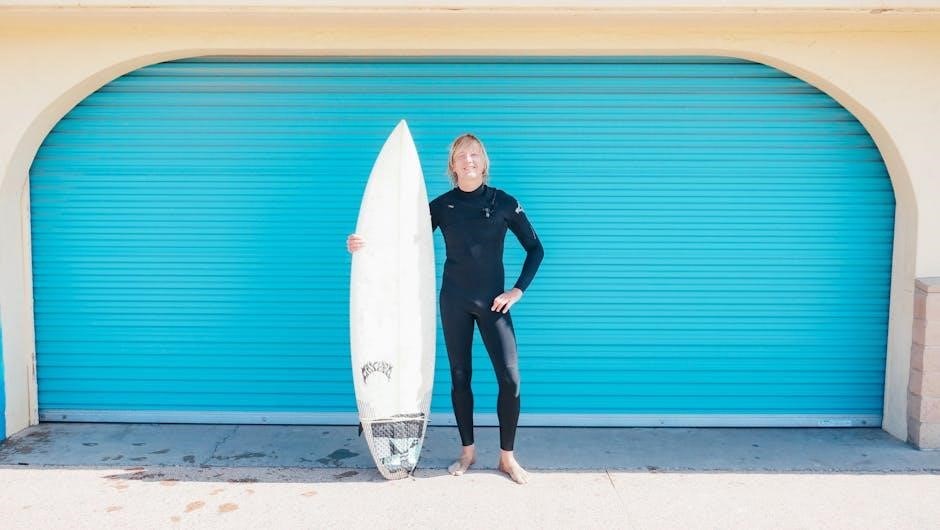
Women’s wetsuits differ from men’s due to anatomical shapes. Roxy designs specifically for the female form, ensuring a comfortable and functional fit in the water.
Differences in Women’s vs. Men’s Sizing
Traditionally, wetsuit sizing has been based on male body types, leading to ill-fitting suits for women. Female bodies generally have a higher hip-to-waist ratio and a different torso length distribution. Roxy addresses this by offering wetsuits with a tailored cut, featuring a narrower shoulder width and a more pronounced waist shape.
These adjustments enhance comfort and flexibility, preventing gaping at the back or restriction in key areas. Women’s wetsuits also often incorporate softer, more flexible neoprene in areas prone to chafing, further improving the overall fit and experience. Accurate measurements are still vital, but Roxy’s designs acknowledge and accommodate female anatomy.
Common Sizing Issues for Women
Many women find standard wetsuit sizing runs large in the chest and tight in the hips, creating discomfort and limiting movement. A common issue is a wetsuit riding down due to an ill-fitting waist, compromising warmth and performance. Shoulder fit is also crucial; too wide causes water flushing, while too narrow restricts paddling.
Additionally, torso length variations can lead to suits being too short or bunching. Prioritizing accurate chest and hip measurements, alongside torso length, is essential. Considering a size up if between sizes, particularly for fuller figures, can improve overall comfort and prevent restriction.
Roxy’s Specific Women’s Fit
Roxy designs wetsuits specifically for the female anatomy, focusing on a contoured fit that enhances comfort and performance. Their suits typically feature a narrower shoulder width and a more defined waist compared to men’s sizing. Roxy prioritizes flexibility and range of motion, utilizing softer neoprene in key areas.
Furthermore, many Roxy wetsuits incorporate a slightly longer torso length to accommodate varying body shapes. They often include features like sealed seams and adjustable closures for a secure, personalized fit. This tailored approach aims to minimize water flushing and maximize warmth.

Roxy Wetsuit Sizing for Juniors
Junior wetsuit sizing differs from adult charts, accounting for growing bodies. Consider growth spurts and prioritize a snug, yet comfortable, fit for optimal performance.
Junior Size Chart Differences
Roxy’s junior wetsuit size charts are specifically designed to accommodate the developing physiques of younger surfers and water sports enthusiasts. Unlike adult sizing, which focuses on established body measurements, junior charts consider the rapid growth phases common in children and teenagers.
Generally, junior sizes range from smaller measurements than adult XS, extending upwards to sizes comparable to adult small. Key differences lie in torso length, chest circumference, and overall proportions. It’s vital to consult the official Roxy junior size chart, as variations can occur between different wetsuit styles – fullsuits, springsuits, or shorties.
Always prioritize accurate measurements and avoid simply assuming a size based on age. A wetsuit that’s too large will allow water to flush through, reducing warmth, while one that’s too small will restrict movement and cause discomfort.
Growth Considerations for Junior Wetsuits
When purchasing a Roxy wetsuit for a junior, anticipating growth is paramount. Children and teens experience growth spurts, meaning a perfectly fitted wetsuit today might be too small within a season. Consider sizing up slightly, prioritizing a comfortable fit that allows for some room to grow, without compromising performance.
However, avoid excessive sizing up, as too much space can hinder warmth and restrict movement. Look for wetsuits with flexible neoprene and construction, offering a better fit during growth phases. Regularly check the fit throughout the season, and be prepared to adjust or replace the wetsuit as needed.
Dealing with In-Between Sizes
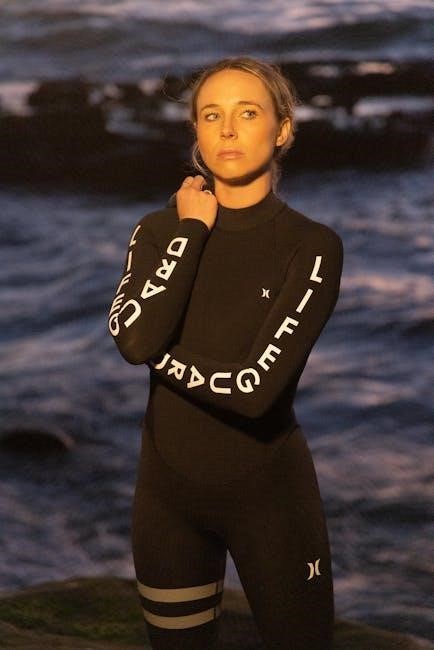
If your measurements fall between sizes, prioritize stretch and intended use. Sizing up generally provides more comfort, while sizing down offers a snugger fit.
Sizing Up vs. Sizing Down
When confronted with measurements landing between Roxy wetsuit sizes, the decision to size up or down hinges on personal preference and intended activity. Generally, sizing up offers increased comfort and freedom of movement, particularly beneficial for longer sessions or those prioritizing ease. However, a larger size might compromise thermal efficiency due to increased water flushing.
Conversely, sizing down delivers a more secure, streamlined fit, enhancing performance for activities demanding agility. This approach is suitable for experienced water sports enthusiasts who prefer a snug feel. Remember, Roxy wetsuits incorporate stretch materials; a slightly snug fit will conform to your body over time, improving the seal and warmth.
The Importance of Stretch in Wetsuit Material
Roxy wetsuits leverage neoprene’s inherent stretch, a critical factor influencing fit and performance. Higher-quality neoprene, often blended with materials like Lycra, provides superior flexibility, allowing for a wider range of motion during water activities. This stretch accommodates variations in body shape and size, making a precise fit less critical.
The degree of stretch impacts how the wetsuit conforms to your body, enhancing thermal insulation by minimizing water flushing. Understanding the neoprene thickness and its corresponding stretch level is vital when selecting a Roxy wetsuit, ensuring both comfort and optimal performance in the water.

Understanding Roxy Wetsuit Materials and Stretch
Roxy utilizes neoprene, varying in thickness, impacting flexibility and warmth. Stretch levels influence fit; higher quality materials offer greater range of motion and comfort.
Neoprene Thickness and Flexibility
Neoprene thickness, measured in millimeters, directly correlates to warmth and flexibility. Thinner neoprene (1-2mm) offers maximum flexibility, ideal for warmer waters and activities like surfing where range of motion is paramount. Thicker neoprene (3-5mm+) provides increased thermal protection for colder conditions, but reduces flexibility.
Roxy wetsuits employ various neoprene densities and constructions. Super-stretch neoprene, often blended with materials like nylon or lycra, enhances flexibility without sacrificing warmth. The quality of neoprene and its construction significantly impact how well a wetsuit fits and performs, influencing both comfort and water temperature regulation.
Impact of Material on Fit
Wetsuit material profoundly impacts fit; stretchier neoprene allows for a snugger, more hydrodynamic fit without restricting movement. Less flexible materials require a looser fit to ensure comfort, potentially compromising warmth and performance. Roxy utilizes varying neoprene blends, influencing how much the suit conforms to your body.
Consider that materials like nylon or lycra linings enhance stretch and ease of entry/exit. The material’s thickness also affects how it compresses and molds to your shape. A properly fitted wetsuit, considering material properties, minimizes water flushing and maximizes thermal protection.
Tips for Trying on a Roxy Wetsuit
Wear minimal clothing during fitting, checking for a snug, yet flexible, seal at the neck and wrists. Assess your range of motion thoroughly.
What to Wear (or Not Wear) During Fitting
When trying on a Roxy wetsuit, it’s best to wear as little clothing as possible underneath. This allows for a more accurate assessment of the fit and ensures you’re not compensating for extra layers. Avoid bulky clothing like sweaters or thick shirts.
Ideally, wear only swimwear or thin, close-fitting athletic wear. This mimics how you’ll likely be wearing the wetsuit during water activities. Remember, the wetsuit is designed to fit snugly against your skin to provide insulation and flexibility, so minimizing layers is key to achieving the correct fit.
Checking for Proper Seal at Neck and Wrists
A crucial aspect of wetsuit fit is ensuring a proper seal at the neck and wrists. These areas prevent water from flushing into the suit, maintaining warmth. The neck should fit snugly, but not constrictingly; you should be able to comfortably turn your head.
Similarly, the wrists should have a secure, yet flexible, seal. Check for any gaps where water could enter. A good test is to extend your arms and flex your hands – the wetsuit should move with you without riding up or down excessively. A proper seal maximizes warmth and comfort.
Assessing Range of Motion
Evaluating your range of motion is vital when trying on a Roxy wetsuit. A well-fitted suit shouldn’t restrict your movements. Simulate paddling motions – arms extended, rotating shoulders – to ensure comfortable flexibility. Check if you can easily bend and straighten your knees without excessive pulling or tightness.
Pay attention to underarm and back flexibility; these areas are key for surfing or watersports. Limited movement indicates the suit may be too small or poorly designed for your body type. Prioritize unrestricted motion for optimal performance and enjoyment.

Roxy Wetsuit Return and Exchange Policies
Familiarize yourself with Roxy’s return and exchange guidelines before purchasing. Understanding the warranty and locating return information is essential for a smooth process.
Understanding Roxy’s Warranty
Roxy’s warranty coverage typically protects against manufacturing defects in materials and workmanship for a specific period, often one year from the date of purchase. This doesn’t cover normal wear and tear, improper use, or accidental damage.
To make a warranty claim, retain your proof of purchase and contact Roxy’s customer service with details of the defect. They may request photos or require you to return the wetsuit for inspection.
Carefully review the full warranty terms on the official Roxy website, as conditions and coverage can vary based on the product and region. Proper care and adherence to usage guidelines are vital for maintaining warranty validity.
Where to Find Information on Returns
Detailed return and exchange policies are readily available on the official Roxy website, typically within the “Customer Service” or “Help” sections. These pages outline eligibility criteria, return windows (often 30-60 days), and the condition requirements for returned items.
Additionally, retailers selling Roxy wetsuits, like online stores or surf shops, may have their own specific return policies. Always check the retailer’s website before making a purchase.
Ensure you understand the process for obtaining a Return Merchandise Authorization (RMA) number and shipping instructions to avoid delays or complications with your return.
Common Roxy Wetsuit Sizing Problems & Solutions
Addressing fit issues like tightness, looseness, or riding down is common. Solutions involve checking size charts, considering stretch, and potentially exchanging for a better fit.
Wetsuit Too Tight
A wetsuit that’s excessively tight restricts movement, hindering performance and causing discomfort. Limited range of motion in shoulders, arms, and legs indicates a sizing issue. Constriction can also impede blood circulation, leading to fatigue during water activities. If experiencing difficulty breathing or feeling pinched, the wetsuit is likely too small. Consider sizing up, especially if the material offers minimal stretch.
Check for excessive pressure points around the chest, back, and underarms. Remember neoprene compresses when wet, so a snug fit initially can become unbearably tight when in the water. Exchanging for a larger size is often the best solution for a comfortable and functional fit.
Wetsuit Too Loose
A loose-fitting wetsuit allows water to flush through, reducing its insulating properties and creating a chilling effect. Excessive bunching, particularly around the waist, armpits, and ankles, signals a poor fit. If water freely enters the suit during movement, it’s too large. This compromises warmth and buoyancy, impacting performance and comfort.
Look for gaps at the neck, wrists, and ankles where water can easily penetrate. While some looseness is expected with stretch, significant slack indicates a need to size down. Consider adjusting straps or seeking a smaller size for a more secure and thermally efficient fit.
Wetsuit Riding Down
If your Roxy wetsuit consistently slides down, especially during activity, it typically indicates a sizing issue or improper fit. This often happens when the suit is too large, lacking a snug grip around the waist and chest. Check the neck seal for tightness; a loose neck allows downward slippage.
Ensure the wetsuit’s straps are properly adjusted for a secure fit. If adjustments don’t resolve the issue, consider a smaller size. A wetsuit designed for your body shape will minimize movement and maintain optimal positioning during watersports.
Comparing Roxy Sizing to Other Brands
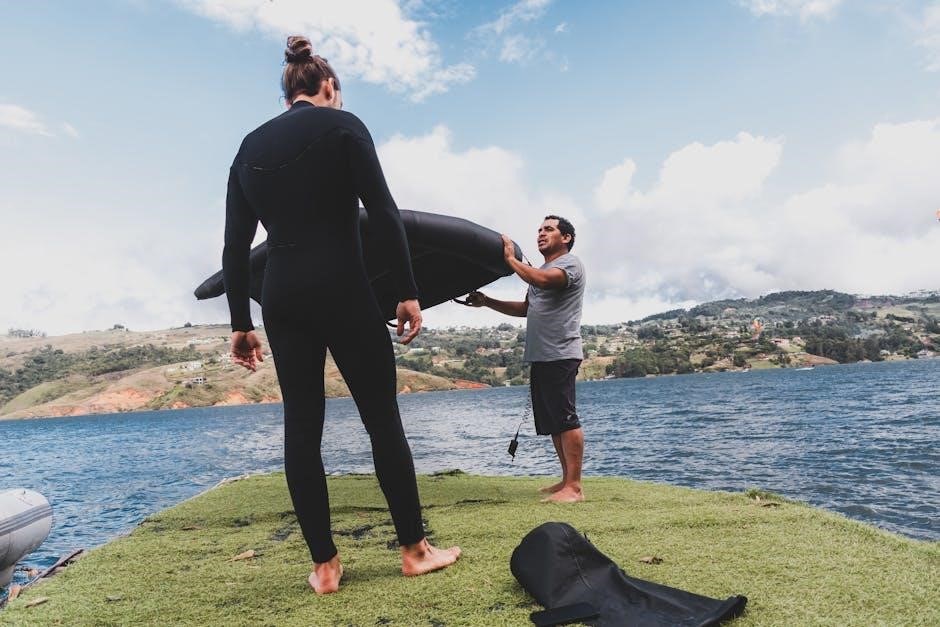
Generally, Roxy sizing runs true to form, but comparing to Billabong or Rip Curl requires checking specific charts, as fits can subtly differ between brands.
Roxy vs. Billabong
Comparing Roxy and Billabong wetsuit sizing reveals some nuanced differences. Billabong often caters to a slightly broader shoulder build, while Roxy tends to be more tailored for a feminine shape. When cross-shopping, it’s advisable to consult both brands’ specific size charts and customer reviews.
Many users report that a Roxy size Medium often corresponds to a Billabong size Medium, but individuals with wider shoulders might prefer sizing up with Roxy. Conversely, those with narrower frames may find a better fit with Roxy’s more contoured design. Always prioritize chest and waist measurements for the most accurate comparison.
Roxy vs. Rip Curl
When comparing Roxy and Rip Curl wetsuit sizing, Rip Curl generally runs a bit larger overall, particularly in length. Roxy tends to have a more precise, body-hugging fit designed specifically for women’s athletic builds. Individuals accustomed to Rip Curl’s roomier feel may need to size down when switching to Roxy.
Consider torso length carefully; Rip Curl often provides more leeway, while Roxy suits are often cut shorter. Checking customer feedback regarding both brands is highly recommended, as experiences vary. Prioritize accurate chest, waist, and hip measurements to navigate these differences effectively.
Resources for Roxy Wetsuit Sizing
Utilize the official Roxy website’s size guide, alongside retailer charts and customer reviews, for informed decisions regarding your perfect wetsuit fit.
Official Roxy Website Size Guide
Roxy’s official website provides a comprehensive size guide, a primary resource for accurate measurements. It details specific charts for various wetsuit styles – fullsuits, springsuits, and shorties – catering to diverse body types. The guide emphasizes taking precise chest, waist, hip, and torso length measurements.
Furthermore, it clarifies distinctions between women’s and junior sizing, addressing common fitting issues. Interactive tools and detailed illustrations aid in self-measurement, ensuring a confident purchase. Regularly updated, the guide reflects current sizing standards and product variations, offering the most reliable information available directly from the source.
Online Retailer Size Charts
Many online retailers carrying Roxy wetsuits also feature size charts, often mirroring the official Roxy guide but sometimes with slight variations. It’s crucial to compare charts across different platforms, noting any discrepancies in measurement instructions or size equivalencies;
Always prioritize the official Roxy chart when available, but retailer charts can offer supplementary information or customer-specific feedback. Be mindful of potential inaccuracies and cross-reference with multiple sources before making a final decision, ensuring a well-informed purchase.
Customer Reviews and Feedback
Leveraging customer reviews provides invaluable insights into Roxy wetsuit sizing accuracy. Real-world experiences often reveal whether a particular style runs true to size, large, or small. Pay attention to comments regarding fit, stretch, and overall comfort from individuals with similar body types.
Analyzing feedback can highlight potential sizing issues or inconsistencies not explicitly mentioned in official charts. Consider reviews as a supplementary resource, complementing official guides and retailer information for a more informed decision.